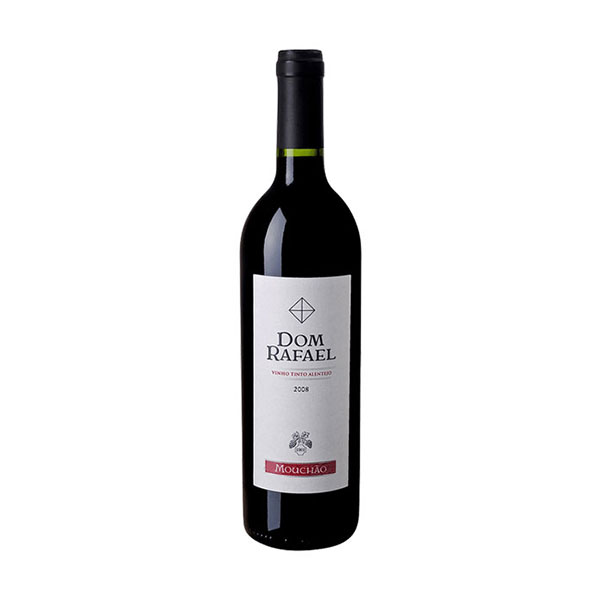
Grapes come from old estate vines and are hand-harvested and hand-sorted. Whole bunches are foot-trodden in the estate’s traditional open stone lagares (the same method used for more than 100 years), with fermentation typically lasting 4–7 days. Malolactic fermentation follows in large wooden vats. The wine then ages about 12 months in large Portuguese chestnut and oak tonéis plus a portion in French oak barrels, followed by at least 6–12 months in bottle before release.
Typical profile (consistent across vintages, with 2010 notes aligning):
- Color: Intense garnet to ruby.
- Nose: Ripe red and black fruit (jammy notes, blackberries, plums), dark chocolate, mint/menthol, spices, vanilla, and light toast.
- Palate: Medium- to full-bodied, structured yet balanced, with polished/elegant tannins, freshness, velvety texture, and a persistent, fruit-driven finish. It becomes smoother, more complex, and better integrated with age.
Critics’ Reviews (2010-specific and context):
Specific published scores for the 2010 Dom Rafael Tinto are limited compared with the flagship wine:
- Wine Enthusiast (tasted Jan 2013): Smooth, wood-aged wine with rich red fruits, finely integrated tannins, solid structure, an open generous feel, and aging potential from its dry core and fruity acidity.
- Revista de Vinhos (tasted Oct 2013): Very fresh, with elegant vegetal notes, abundant fruit, vanilla, light toast, and a menthol touch; correct palate, polished tannins, well-proportioned, fruit-commanded finish.
- Marcelo Copello: 90 points (cited by Portuguese retailer listings).
Across vintages the wine typically scores in the high 80s to low 90s (Wine-Searcher average around 89 points). The 2010 Alentejo vintage was generally solid.
Food Pairings:
Versatile Alentejo red suited to a wide range of dishes:
- Red meats: beef, lamb, veal, pork, grilled or roasted cuts, stews, and hearty casseroles.
- Charcuterie and cheeses: presunto, coppa, yellow/aged cheeses.
- Other: spicy dishes, pasta, bacalhau or fatty fish in some recommendations, and even chocolate in certain notes.
It works equally well with traditional Portuguese fare and contemporary plates.
Drink Window:
- Dom Rafael is built for earlier drinking than the estate’s flagship Mouchão Tinto but still has aging potential of roughly 10–15 years from vintage in good cellar conditions. The 2010 (now 16 years old) is mature. Well-stored bottles should still be enjoyable but are best consumed rather than held much longer. Later vintages are often described as drinkable on release with a similar horizon.