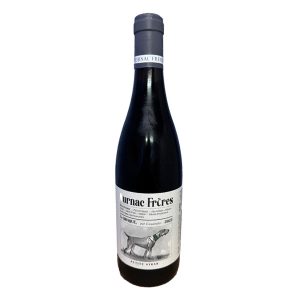

Berry Bros. & Rudd commissioned this wine from Elderton, a family-owned Barossa producer known for generous, fruit-driven Shiraz from estate vineyards. Fruit came from Barossa sub-districts including Nuriootpa, Greenock and Craneford, with vines ranging from relatively young to over 100 years old. The 2016 growing season in the Barossa was warm and dry (rainfall well below average) but produced concentrated, richly coloured Shiraz with good natural acidity and even ripening. Fermentation was typically in open vessels; maturation was in predominantly second- and third-fill American oak puncheons for around 24 months. The result is a dense, dark, approachable Barossa style: ripe dark plum, blackberry and liquorice fruit, chocolate, vanilla oak and a touch of spice, with plush tannins and a long, hearty finish. It is not an ultra-premium “icon” wine but a well-made merchant selection that over-delivers for the price point of the time.
Critics Reviews:
Specific published scores for the exact BOS-labelled bottling are scarce (own-label wines often receive less critic coverage). Reviews of the closely related 2016 Elderton Barossa/Estate Shiraz are representative:
- James Suckling: ~91 points. “An impressive hearty Barossa shiraz with blackberry and dark-cherry aromas, feeding into a succulent, long palate. Plenty of hearty flavor here. Drink or hold.”
- Natalie MacLean: 93/100. Ripe dark fruit, smoky spice, minty and savoury herbs; full-bodied, textured blackberry and herb flavours with a smooth, long finish. Drink 2019–2026. Pair with BBQ meats, hearty dishes, aged cheddar or grilled lamb.
- Merchant and retailer notes consistently describe dense colour, ripe dark plum/liquorice/blackberry, toasted vanilla oak, dark chocolate and polished, silky tannins. The 2016 vintage was widely regarded as excellent for Barossa Shiraz (concentrated fruit, good colour and structure).
Food Pairings:
Classic pairings for a rich, dry Barossa Shiraz:
- Grilled or roasted lamb (chops, shoulder, rack)
- BBQ beef, short ribs, or steak
- Hearty stews, beef bourguignon, or spicy hot-pot
- Game or venison
- Aged hard cheeses (cheddar, Comté)
- Dishes with dark fruit, chocolate or spice notes (e.g., lamb with hoisin or beetroot relish)
The wine’s ripe fruit and moderate tannins stand up to robust flavours without being overwhelmed.
Drink Window:
Best from release through the mid-2020s. By September 2026 the wine is at or just past its peak of primary fruit richness for most bottles; well-stored examples remain enjoyable and have developed secondary notes of earth, spice and leather. It was not built for decades of ageing like top single-vineyard Barossa icons, but good bottles should still drink well into the late 2020s if stored properly (cool, dark, consistent temperature).